Need a dog bed
[Dog Bed Size Calculator](/tools/dog-bed-size-calculator/)
- Look for
Relaxed length, width, sleep style, usable sleep area
- Avoid
Outside dimensions on bolster beds
THE WHAT DOGS LIKE LIBRARY
Use free dog gear calculators for bed size, crate size, collar adjustment, and harness fit before comparing listings and current brand size charts online.
Use these free dog gear calculators to turn your dog's measurements into a practical starting range before comparing product listings. Choose a calculator for bed surface, crate interior space, collar adjustment, or harness fit direction.
The tools do not replace brand size charts, fit checks, or professional guidance when health or safety is involved. They help you ask better questions before clicking into a product listing.
Quick read
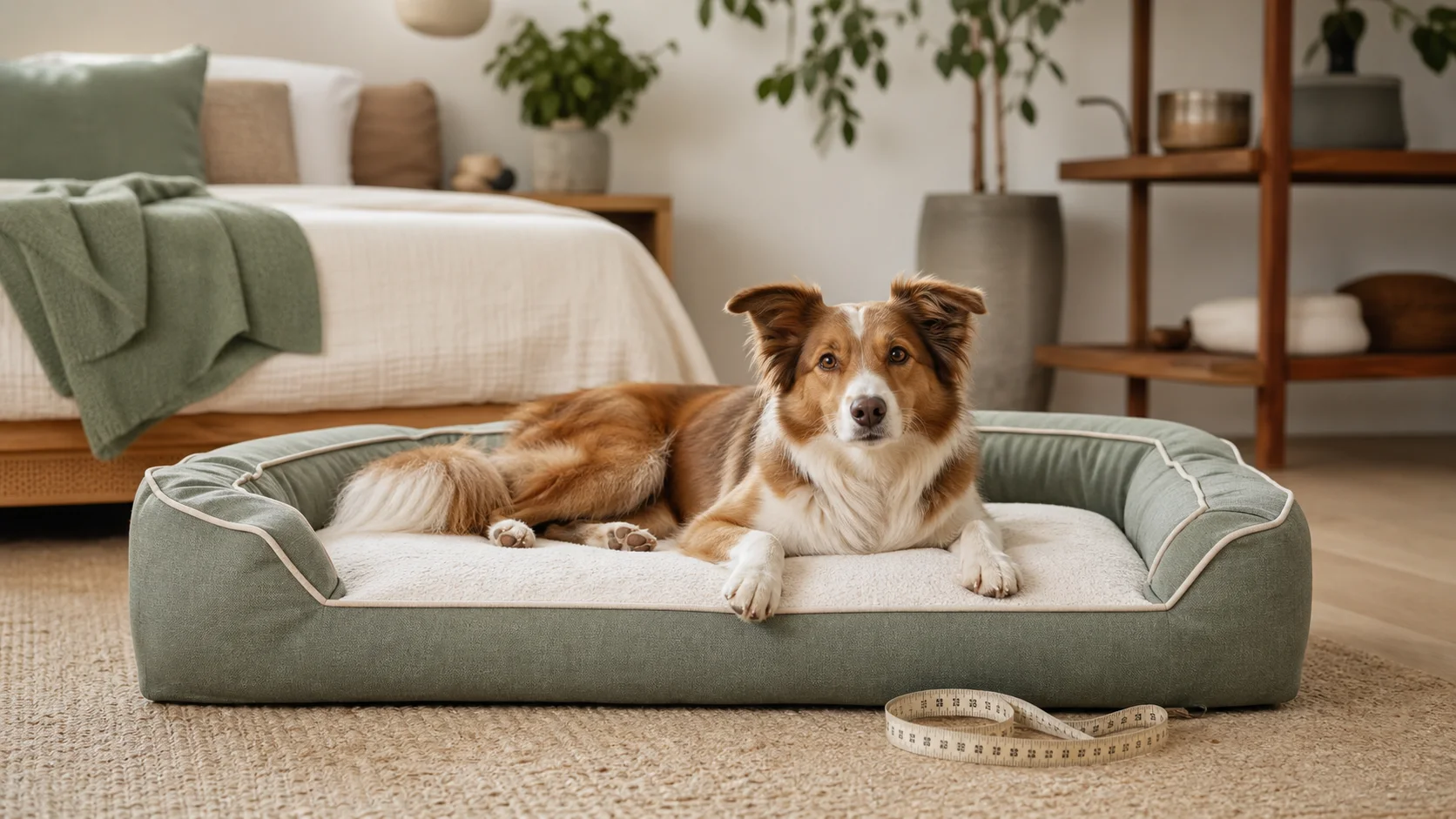
Need a dog bed
Relaxed length, width, sleep style, usable sleep area
Outside dimensions on bolster beds
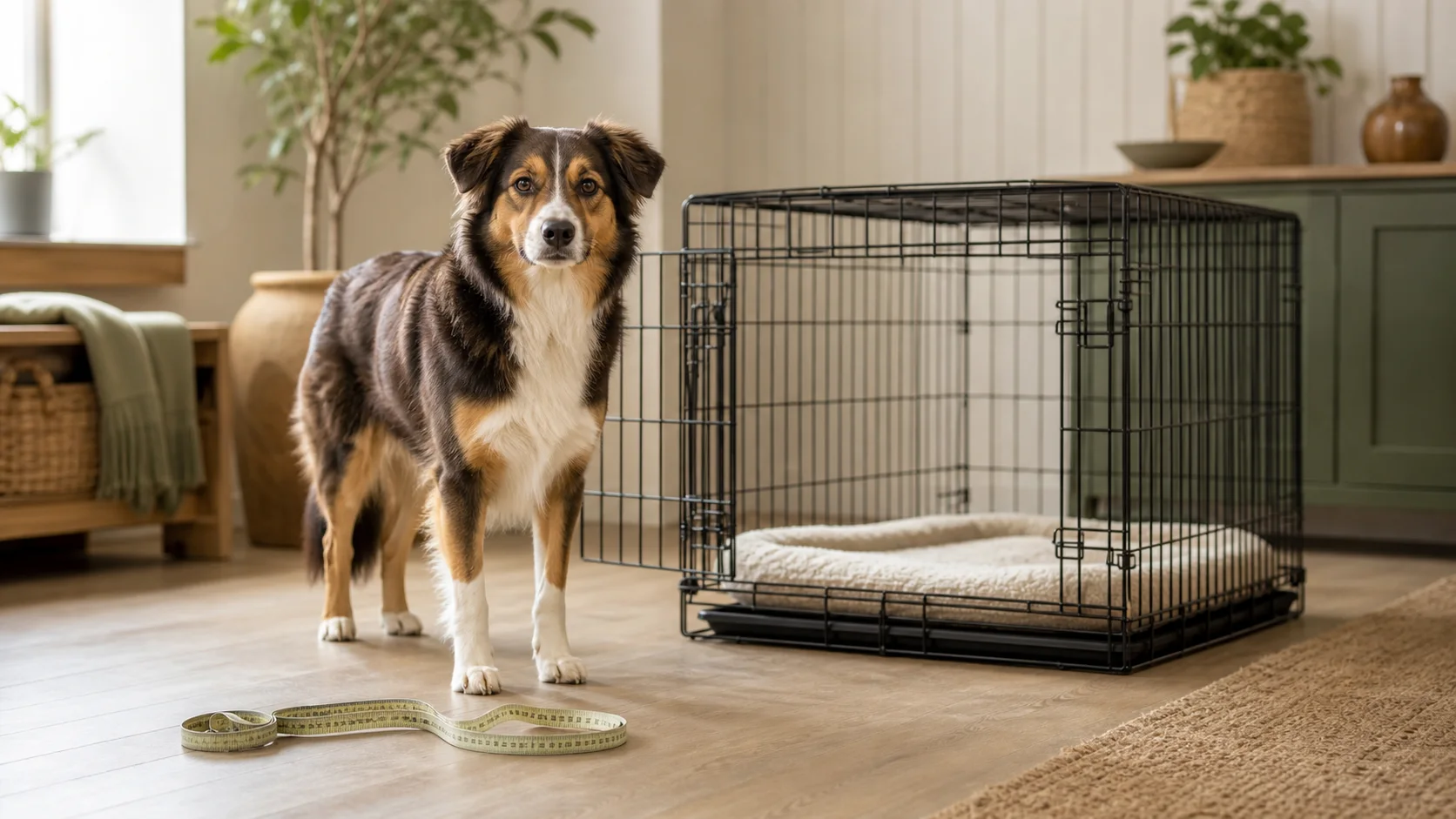
Need a crate
Standing height, body length, internal dimensions
Breed charts and outside measurements
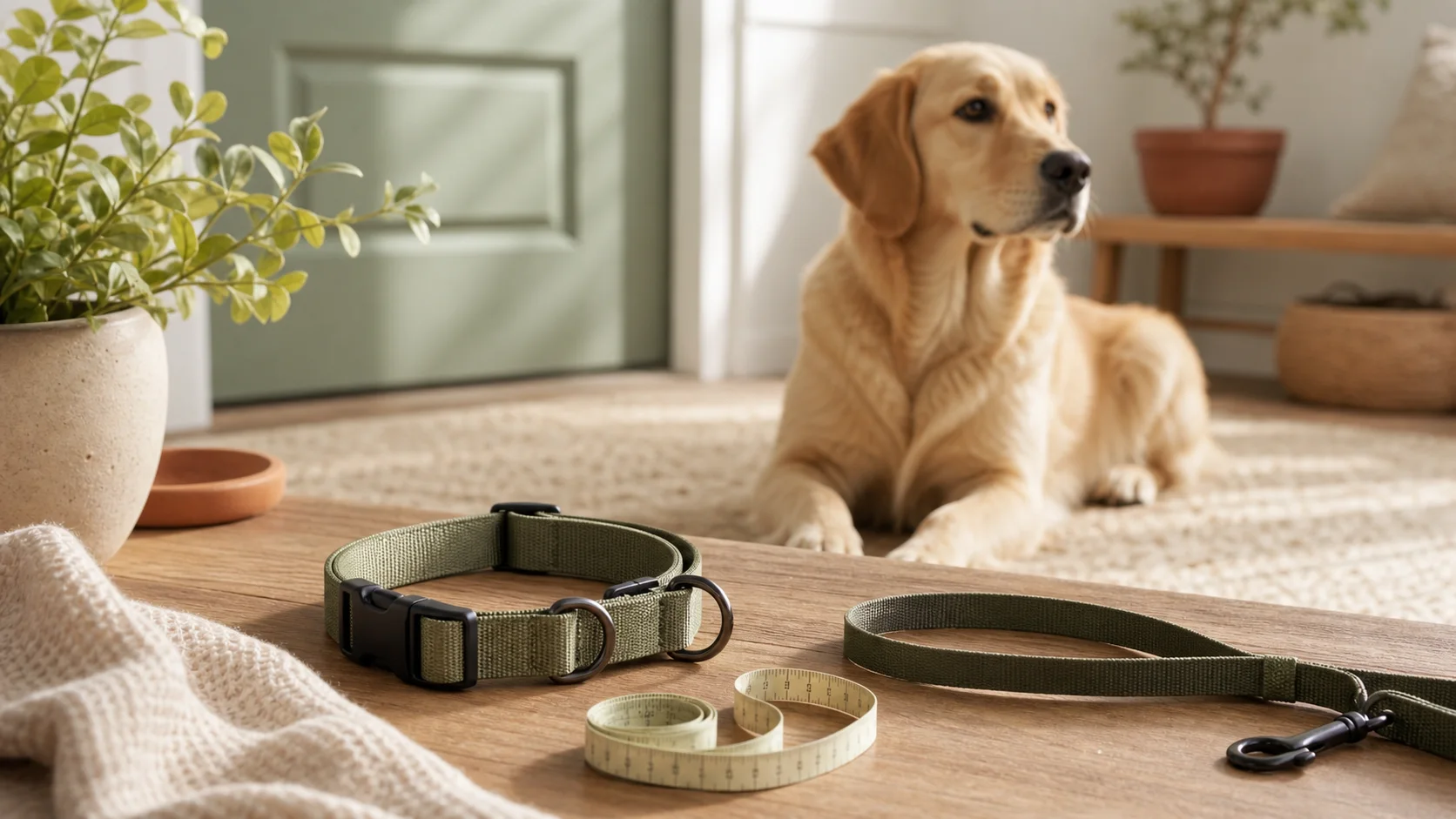
Need a collar
Neck measurement, adjustment range, hardware weight
Leaving puppy collars unchecked
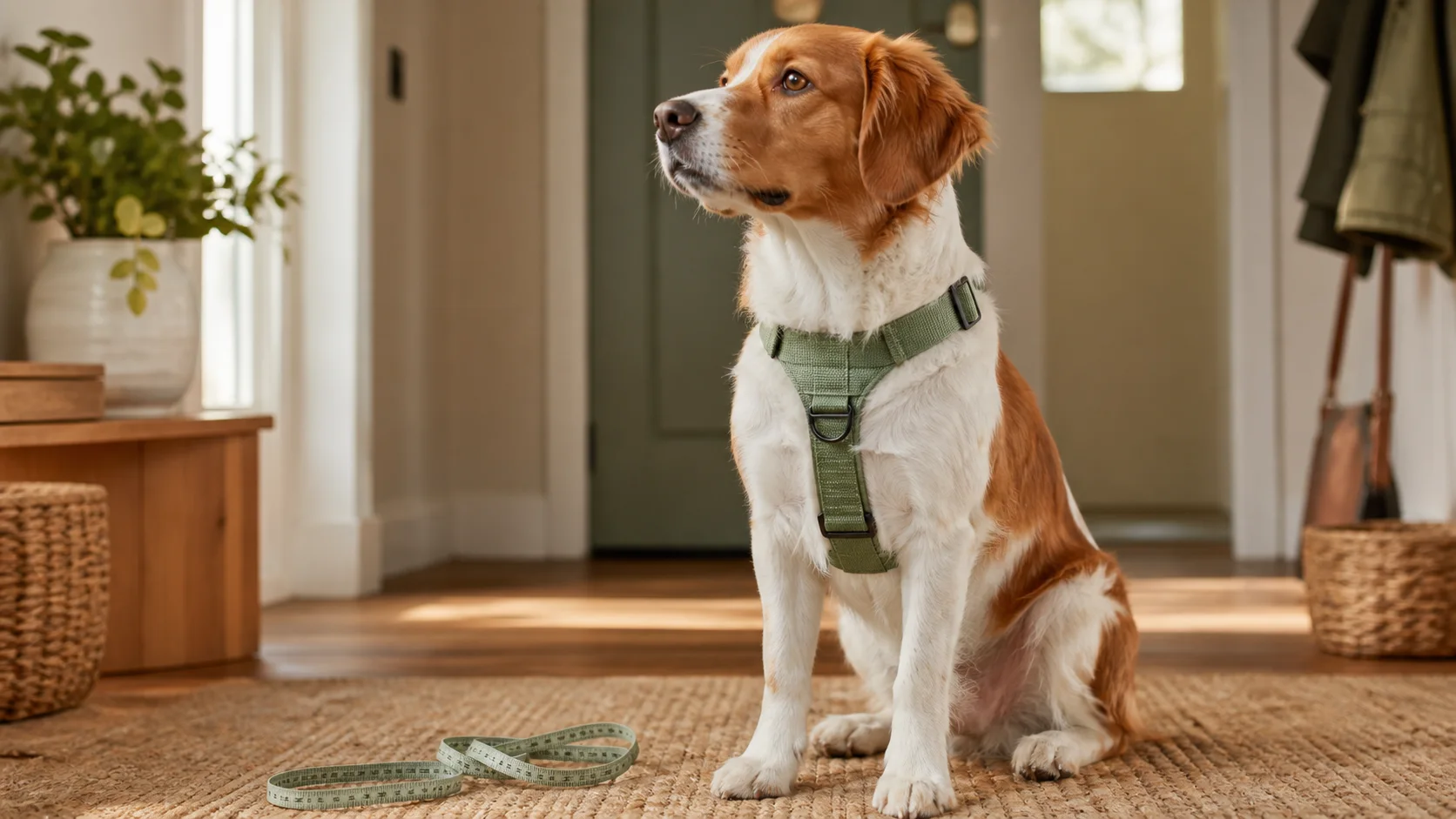
Need a harness
Chest girth, walking need, strap position
Buying by weight alone
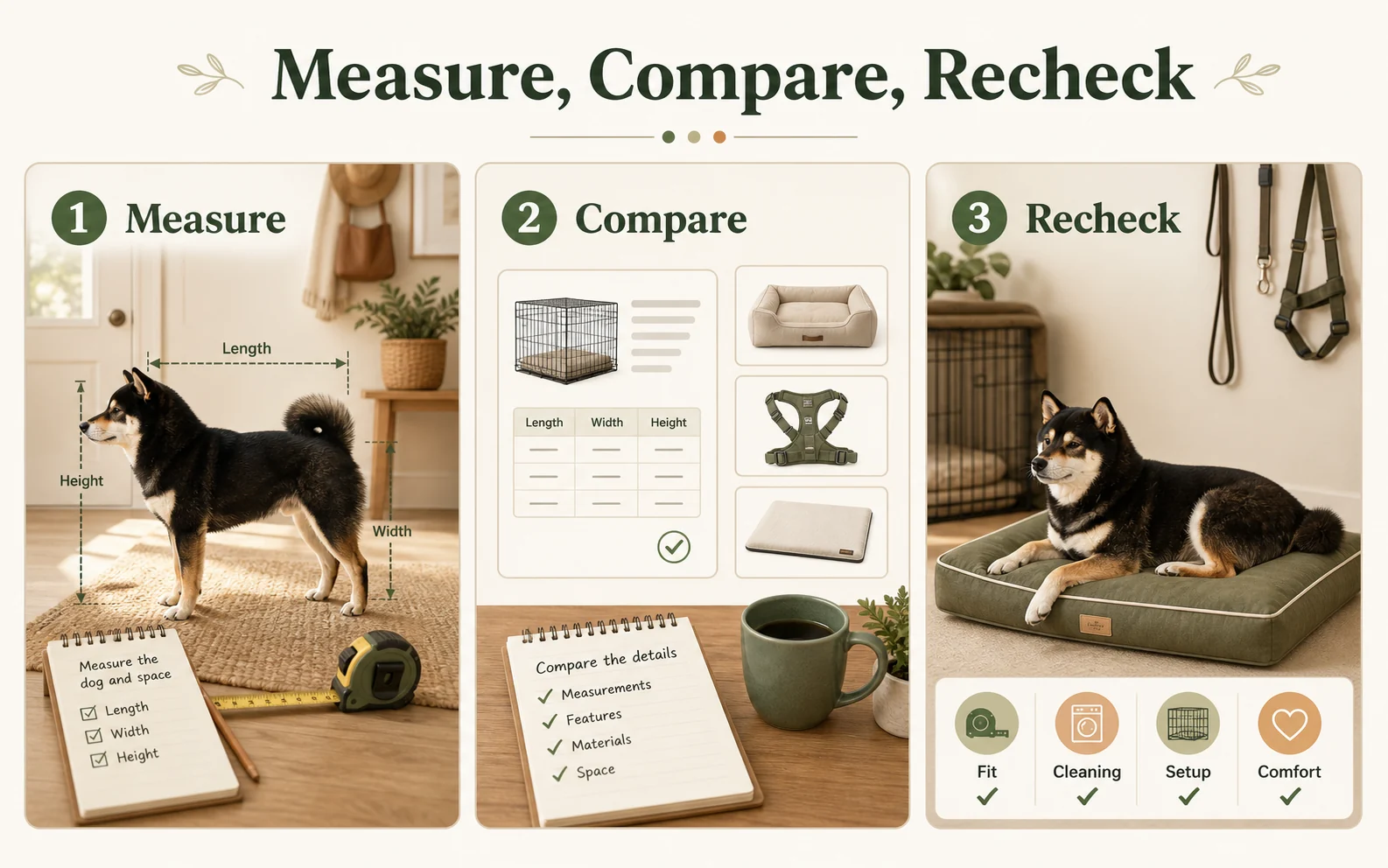
Different gear categories use different comparison dimensions. A bed calculator focuses on relaxed sleep area. A crate calculator starts with standing height and body length. A collar calculator compares the measured neck with an adjustment range. A harness calculator starts around the rib cage and still requires a movement check.
Do not carry one measurement into another category. Neck size does not predict chest girth, dog weight does not reveal relaxed sleep length, and outside crate dimensions do not describe the room available inside.
If two tools seem relevant, use both and keep the results separate. For example, a crate mat must fit the measured internal crate floor without blocking the door, while the crate itself must fit the standing dog. A car-travel crate adds a third layer: evidence and vehicle installation that a size calculator cannot assess.
Treat each result as a comparison range, not a universal size label. Brands measure differently, and listings often highlight outside dimensions instead of usable space. After using a calculator, read the matching guide and check the product's current size chart, return policy, and recent owner feedback.
Good ways to use these tools
If you are buying a bed, measure how much space your dog uses while resting. If you are buying a crate, measure standing height and body length. If you are buying a collar, measure the neck where the collar sits. If you are buying a harness, measure chest girth around the widest part of the rib cage.
Small measurement differences matter less than choosing the right comparison target. For beds and bolsters, look at usable sleep area. For crates, look at internal dimensions. For collars and harnesses, look at adjustment range and fit checks.
The calculators use simple measurement rules to narrow the range worth comparing. They can help reject an obviously short bed, low crate, narrow collar range, or poorly matched harness category before purchase.
They cannot account for every body shape, mobility need, coat change, product construction, or brand measurement method. A result is not a universal S, M, L, or XL and does not certify a travel restraint or guarantee comfort.
| Option | Best for | Key features | Caveat | Merchant |
|---|
Use a soft tape where possible and repeat the measurement before buying. Measure the dog in the posture required by the selected calculator, not from an old veterinary record or a breed average. Then compare the calculated range with:
A result is borderline when the dog’s measurement sits near the end of a product range, two measured dimensions point to different sizes, or added bedding and coat thickness reduce the usable margin.
Do not automatically size up. A larger bed may be useful, but a larger collar or harness can create a loose, unstable fit. A larger crate may conflict with the manufacturer’s travel guidance or leave no room for approved anchoring in a vehicle.
Instead:
Save the measurement date and result. Puppies, coat changes, weight changes, mobility changes, and normal wear can make an earlier fit outdated.
Record the raw dog measurements rather than only writing “medium.” Include relaxed body length and width, standing height, neck circumference, chest girth, the date, and any relevant posture or coat note. For space-sensitive products, add the room, crate, vehicle, doorway, or cargo dimensions.
When comparing a listing, copy the exact product dimensions beside the dog measurements and label them as internal, external, or usable. This prevents an outside bolster width or crate footprint from being mistaken for sleeping or standing space.
A reusable record is especially helpful when more than one person shops for the dog. It also makes it easier to notice when a product changed its size chart or when the dog needs to be measured again.
After measuring
Open only the category that matches the calculator result, then compare usable or internal dimensions and the current brand chart. What Dogs Like may earn from qualifying purchases. Affiliate links do not change the measurement and fit checks on this page.
For a reusable worksheet, download the Dog Gear Measurement Kit. For buying context beyond size, browse the Dog Beds hub, Dog Crates hub, and Harnesses, Collars & Leashes hub.
No. Brands use different size labels and construction methods. These calculators provide comparison ranges that must be checked against the current brand chart.
Relaxed body length and width matter most because the usable sleep surface should fit the dog's real sleeping position.
It can provide a body-size starting point, but it does not evaluate crash evidence, vehicle fit, anchor systems, or manufacturer-approved travel sizes.
No. Chest girth and the actual size chart are more useful than weight alone, followed by a movement and rubbing check after fitting.
No. They narrow the comparison range. Always verify current product measurements and recheck fit after the item arrives.
NEED A LITTLE DIRECTION?
Start with your dog and the gear you need.
Dog Beds
Calculate a cautious dog bed starting range from relaxed length, width, and sleep style, then compare usable sleep area and brand size charts.
Read the guideHarnesses, Collars & Leashes
Calculate a cautious dog collar adjustment range from neck measurement and dog size, then compare width, hardware, and current brand charts.
Read the guideDog Crates
Calculate a cautious dog crate size range from standing height, body length, and bedding use before comparing internal crate dimensions.
Read the guideHarnesses, Collars & Leashes
Calculate a cautious dog harness starting range from chest girth and walking need, then compare fit, clip style, and strap placement.
Read the guide